

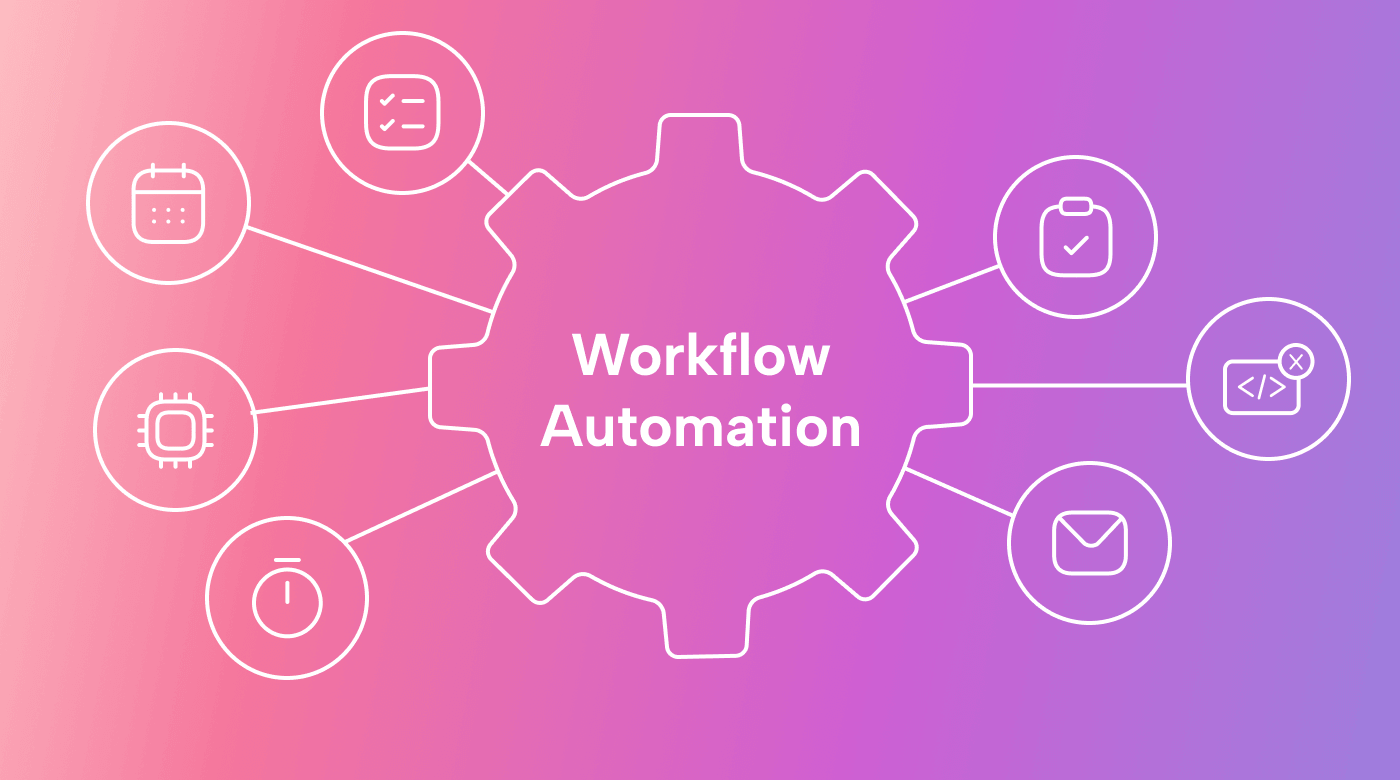

The first time I noticed workflow automation creeping into everyday business life was not during a conference or a polished product demo, but in a cramped office where a finance manager quietly celebrated the disappearance of a spreadsheet she had once guarded like a fragile heirloom. That small victory felt more revealing than any industry statistic. It hinted at a larger story unfolding across British companies: automation not as spectacle, but as relief.
Businesses rarely invest in automation because it sounds futuristic. They invest because the small irritations of work have grown unbearable. Endless approvals trapped in inboxes, customer queries bouncing between departments, reports assembled by hand at midnight—these inefficiencies accumulate until they become cultural problems. Automation promises something more modest and more radical: fewer interruptions, fewer errors, fewer moments wasted on tasks no one truly values.
In the UK, the shift has been particularly visible among mid-sized firms that once believed automation belonged only to global giants. A logistics company in Birmingham recently replaced a chain of email-based handovers with a simple automated workflow that routes delivery exceptions to the right person instantly. The change didn’t transform the business overnight, but it changed the tone of the workday. People stopped chasing updates and started solving problems.
Productivity tools used to be personal accessories—apps individuals adopted quietly to manage their own chaos. Now they have become organisational infrastructure. A shared automation platform is no longer just a tool; it is a set of rules about how decisions move, how accountability is defined, how time is respected. That shift from personal optimisation to collective design explains why automation budgets are rising even during cautious economic periods.
The pandemic accelerated this transformation, but it didn’t invent it. Remote work simply exposed how fragile manual workflows really were. Processes that relied on overheard conversations or physical signatures collapsed overnight. Companies that adapted quickly discovered something unexpected: automated workflows didn’t just replace proximity, they improved clarity. When a process is mapped and automated, its logic becomes visible in a way informal habits never allow.
There is also a quieter motivation: trust. Leaders want fewer decisions dependent on memory or goodwill. Employees want fewer tasks dependent on heroics. Automation becomes a shared contract. It says, “This is how we work here,” without requiring anyone to enforce it manually. That reliability feels stabilising in a business environment where everything else seems uncertain.
Cost savings are often cited, but they rarely tell the full story. Automation does reduce labour hours, yet most companies reinvest that time rather than eliminate it. The real value lies in reallocation. People spend less energy copying data and more energy interpreting it. The transformation is psychological as much as operational. Work begins to feel intentional instead of reactive.
One retail operations manager described the moment she realised automation had paid for itself: a supplier dispute resolved in minutes because the system surfaced a complete audit trail automatically. No digging, no guesswork, no defensive explanations. Just facts presented calmly. That kind of quiet competence changes relationships—not only with partners but within teams.
The UK’s regulatory environment adds another layer. Compliance requirements often demand consistency, documentation, and traceability. Manual workflows struggle to meet those standards at scale. Automated processes, by contrast, generate records naturally. This turns compliance from a burden into a by-product of normal operations. It is difficult to overstate how attractive that proposition is to risk-averse organisations.
Yet automation is not embraced blindly. Many companies hesitate at first, wary of losing flexibility or human judgement. That tension is healthy. The most successful implementations treat automation as a collaborator, not a replacement. They automate the predictable and preserve discretion for the ambiguous. Approvals for routine expenses? Automated. Exceptions requiring nuance? Escalated to a person. The boundary becomes a design choice rather than an accident.
There is also the matter of identity. Businesses like to believe their processes are unique, handcrafted reflections of their culture. Automation challenges that belief by forcing them to articulate what actually happens. The discovery phase often reveals redundancies, contradictions, or rituals that exist only because no one questioned them. This moment can feel unsettling, but it is often the true beginning of transformation.
I remember pausing when a team lead admitted that mapping their workflow felt like looking into a mirror they had avoided for years.
The rise of low-code and no-code platforms has lowered the barrier dramatically. Teams no longer need specialised developers to build workflows. They sketch processes visually, test them quickly, adjust them without ceremony. This democratisation shifts power closer to the people who understand the work best. It also changes the rhythm of improvement from annual overhaul to continuous refinement.
Automation has become a language of ambition. When executives talk about scaling, resilience, or customer experience, they increasingly mean orchestrated processes rather than individual brilliance. A company that automates thoughtfully sends a message: growth will be structured, not chaotic. That promise appeals to investors, employees, and customers alike.
There is, of course, a darker side. Poorly designed automation can amplify mistakes at speed. A flawed rule applied consistently becomes a systemic problem. The difference between success and failure lies in governance: clear ownership, regular review, and willingness to pause or revise workflows. Automation is not set-and-forget; it is a living system that requires stewardship.
Culturally, automation reshapes how people perceive value. Tasks once considered proof of diligence—manual reconciliations, repetitive data entry—lose their symbolic importance. New markers of contribution emerge: insight, judgement, creativity. This shift can feel destabilising for employees whose identity was tied to visible effort. Organisations that invest in automation must also invest in redefining roles and recognising new forms of excellence.
The narrative that automation is about speed misses a subtler truth. It is about rhythm. Automated workflows create predictable tempos: requests processed within minutes, reports generated at dawn, alerts triggered instantly. Predictability reduces anxiety. People plan better when they know how long things take. In that sense, automation is as much about emotional sustainability as operational efficiency.
UK businesses often frame automation as preparation for uncertainty. Supply chain disruptions, regulatory changes, workforce fluctuations—these pressures demand adaptable processes. Automated workflows can be reconfigured faster than informal habits can be retrained. They become scaffolding that holds the organisation steady while strategy evolves.
Ultimately, the investment in workflow automation reflects a philosophical shift. Work is no longer seen as a collection of heroic interventions but as a system worthy of design. That perspective feels mature, almost humble. It acknowledges that progress comes not from working harder but from working differently, from paying attention to the invisible architecture beneath every decision.
The spreadsheet that disappeared in that small office was never just a file. It was a symbol of an era when effort substituted for structure. Its absence marked the arrival of something quieter and more enduring: a belief that good systems are a form of care—for time, for people, for the future.
