


In the cluttered streets of Marrakech, beneath neon signs and woven rugs, I once spotted a familiar global logo on a storefront. But the product inside wasn’t the same as the one back home. The same branding on the façade bore an item that locals asked for, used, and cherished — a small, budget‑sized version of a global staple that matched local purchasing patterns. That moment — seeing a known global brand quietly fitted to local sensibilities — stuck with me as a vivid example of how global brands adapt when they truly want to be understood, not just recognised.
Any global brand that enters a regional market soon discovers that recognisability isn’t enough. People everywhere want to feel seen — not merely sold to. This is where global brand localisation becomes less of a corporate buzzword and more of a painstaking, day‑to‑day practice: a series of decisions that balance global identity with local expectations. Marketing teams cannot simply drop a standard campaign into a new market and hope for acceptance; traditions, taboos, jokes, celebrations, even payment habits matter, sometimes deeply.
Local adaptation means listening first and talking second. In many markets, that listening begins with data — but it doesn’t end there. Quantitative metrics offer patterns, but the stories beneath those numbers often come from small focus groups, local surveys, and conversations that reveal what a community values. These insights steer not just messaging, but product features. A global beverage brand might find that certain flavours resonate in one region and fall flat in another. A fashion label learns that fits and sizes need rethinking for different body shapes. These choices are not accidental; they are born from analysis and modest humility.
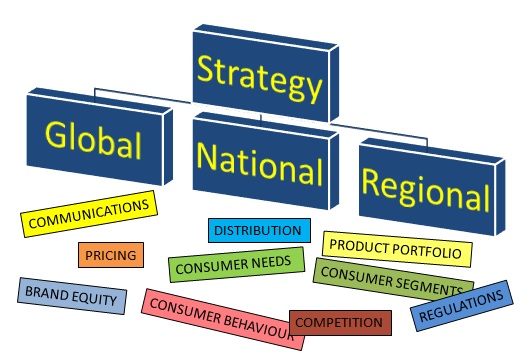
There’s a tension that every multinational confronts: stay consistent or bend for relevance? Too rigid, and a campaign feels foreign; too flexible, and a brand risks losing the thread that connects its global narrative. The solution that many successful brands settle on is a “glocal” model — think global, act local. At its heart, this isn’t a slogan, but an operating principle that insists on global standards where they matter and local freedom where it counts. Core brand values remain intact — logo, mission, promise — yet the execution — words, images, products — gets an authentic local voice.
For instance, when a global fast‑food chain expanded into places where certain proteins are taboo or less popular, it didn’t just translate its menu. It rethought it. Vegetarian alternatives appeared, spiced offerings were introduced, and marketing drew on local festivals. Those adaptations weren’t gimmicks; they were signals that the brand respected local norms enough to change how it expressed itself.
But adaptation doesn’t only happen in the product menu. Take the role of language and cultural nuance. Literal translations are often the first step in localisation, but they are far from sufficient. A campaign line that works with humour in one language can become awkward or worse, offensive, in another. This is why global brands often invite local teams, cultural consultants, and translators into strategy discussions early in the process. They don’t just tweak words — they shape meaning.
I once watched a global hospitality brand test a new regional marketing concept through online focus groups. The opening taglines were technically correct translations, but participant reactions were lukewarm. It was only after a local marketing manager suggested reframing sentences to echo a traditional phrase associated with hospitality that faces in the virtual discussion lit up. That quiet pivot underscored something bigger: authenticity isn’t about polished language, it’s about resonance.
Market adaptation also reflects local economic realities. Pricing strategies that work in affluent cities can feel out of reach in markets where consumers have less disposable income. In response, brands often create smaller or more affordable product versions. Packaging might change to suit store‑shelf realities or local storage practices. These logistical details may sound mundane, but they shape daily interactions between consumers and brands in ways that matter deeply.
Even technology adoption and payment preferences fall into this sphere. In some regions, digital wallets are the norm; in others, cash still dominates. Online platforms that function flawlessly in one country may require adjustments in another to accommodate local devices or connectivity patterns. Ignoring these differences can lead to frustration rather than connection — a subtle but critical distinction in the mind of a consumer.
Pricing isn’t the only economic consideration; regulatory environments play an equally pivotal role. A brand that triumphs in one market might need to overhaul certain product elements to comply with local standards and safety rules. These adaptations demand patience and legal acumen, but they also communicate a willingness to play by local rules.
The most successful global brands don’t shy away from collaboration — not only within their own organisations but with local partners. These might be manufacturers, media outlets, community groups, or influencers whose voices carry regional credibility. Local partnerships lend authenticity and often unlock insights that pure data analysis cannot. When brands trust local expertise, they create campaigns and products that feel less like imported goods and more like shared experiences.
There are risks too. A misstep in localisation — a poorly chosen image, a mistranslated slogan, a campaign that ignores a sensitive holiday — can alienate audiences and damage trust. Sometimes these errors cost more in reputation than in direct financial loss. Brands that navigate these risks well are those that combine structural rigour with cultural curiosity: they test ideas early, adjust fast, and never assume that what worked globally will automatically work locally.
Market adaptation is not a single moment of translation; it’s an ongoing dialogue between a brand and its audiences around the globe. To do this well, companies must build frameworks that allow learnings from one region to inform practices in another, not as templates to be copied but as inspirations to be adapted.
Walking past another global brand storefront in a city different from Marrakech, I noticed a small sign in the local language that didn’t exist on any international ad I’d seen. It wasn’t flashy, and it wasn’t global — but it was honest. And in that honesty lay the difference between a brand that merely exists everywhere and one that truly belongs everywhere.
