


The coffee aisle at any UK supermarket can feel like a battlefield. Pack after pack of beans, each promising something unique—richer aroma, ethical sourcing, sustainable packaging. Yet, more often than not, they blur into a single choice for the consumer: whichever is cheapest or nearest. This is where brand positioning becomes crucial. In markets saturated with nearly identical offerings, a brand’s ability to stake a distinct claim can be the difference between lingering on the shelf and being picked.
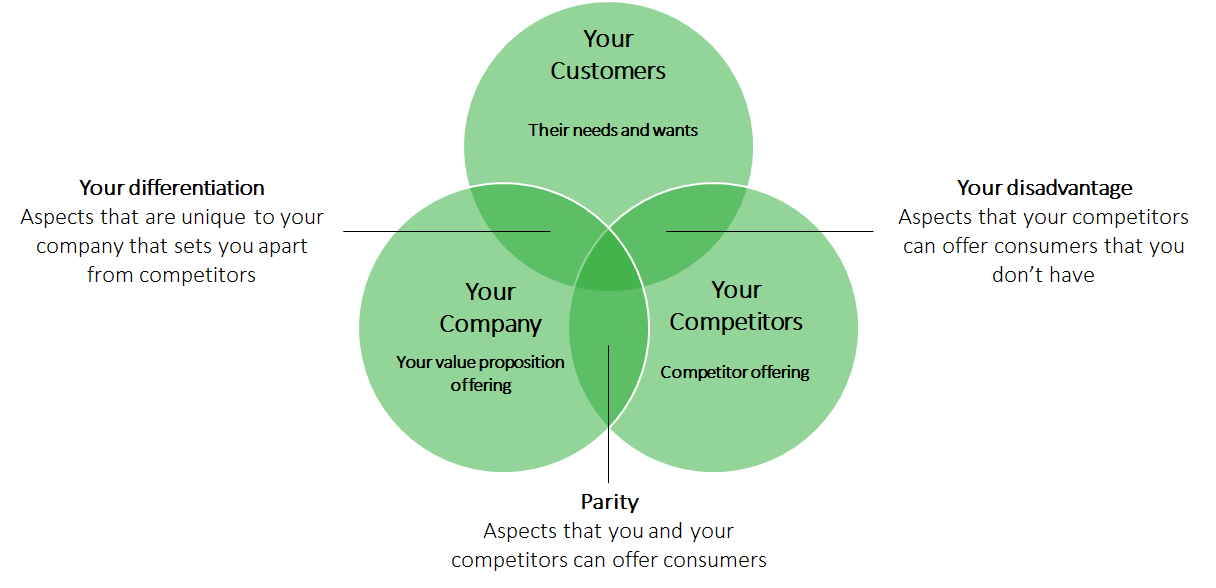
Brand positioning strategy is often treated as an abstract exercise in marketing departments, a neat diagram on a presentation slide. In reality, it is both art and science. It begins with understanding not just the market but the human heartbeat within it—what people value, fear, aspire to. Apple, for example, doesn’t just sell gadgets; it sells a vision of creativity and effortless integration. The products are conduits for that promise. Competitors may match specs or price, but few can replicate the feeling of owning an Apple device. That’s differentiation at work.
Yet differentiation isn’t always about being loud or flashy. Sometimes, it’s a whisper rather than a shout. Consider a small, regional bakery I once visited in Bristol. Their bread was ordinary by ingredient standards, but they framed it as part of a slow-food movement, emphasizing local farmers, traditional kneading techniques, and time-honoured recipes. Customers weren’t just buying bread—they were buying a story, an identity. That narrative, that positioning, allowed the bakery to charge a premium in a price-sensitive market.
Competitive markets amplify every mistake. A vague positioning strategy can lead to a brand floating somewhere in the middle—too generic to inspire loyalty, too specific to appeal broadly. In sectors like cosmetics or consumer electronics, I’ve seen brands pivot every few months, chasing trends in the hope something sticks. It rarely does. Strong positioning requires discipline. It demands clarity and a willingness to say no to certain opportunities so the brand can resonate more deeply with the ones it chooses to pursue.
Digital channels have amplified the stakes. Social media and influencer culture can make or break a positioning strategy overnight. When a brand’s messaging isn’t consistent across platforms, consumers notice—sometimes with quiet skepticism, sometimes with viral derision. The luxury fashion brand Balenciaga, for instance, has occasionally polarized audiences not through product flaws but through campaigns that seemed at odds with its core identity. Those moments serve as reminders that differentiation must be grounded in authenticity, not merely spectacle.
I remember reading a case study about a tech start-up in London that spent six months refining its positioning before even launching a product. They didn’t start with features; they started with a single question: “What niche do we want our users to remember us by?” The decision shaped everything—design, pricing, marketing tone. It’s the sort of quiet strategic clarity that can be invisible in a boardroom but is palpable to consumers. I found myself admiring that patience.
For established brands, the challenge shifts. Legacy can be both an asset and a burden. Coca-Cola has maintained a remarkably stable positioning around happiness and shared experiences, yet the proliferation of health-conscious consumers forced subtle adjustments. Positioning isn’t static; it must evolve without losing the thread of recognition. Competitors, however, often exploit any fissure, ready to claim relevance where the incumbent hesitates. That tension between consistency and adaptation defines the modern brand landscape.
Differentiation also intersects with internal culture. Employees are brand ambassadors whether they are conscious of it or not. A clearly positioned brand provides internal coherence, guiding decisions about product development, customer service, and communications. When everyone—from the CEO to a part-time store clerk—understands what the brand stands for, the positioning strategy moves beyond marketing slogans and into lived experience. That is what transforms fleeting consumer awareness into enduring loyalty.
Finally, measuring positioning is subtle work. Unlike sales figures, which are immediate, the impact of a strategic positioning choice often manifests gradually. Surveys, social listening, and brand sentiment analysis help, but the ultimate test is emotional: do people think of your brand first when they need what you offer? Do they feel it speaks to them personally? Those metrics are intangible, yet they often determine market share more than price or product specifications ever could.
Markets are relentless, but they also reward clarity. Brands that know who they are, who they serve, and why they matter can navigate competition with a quiet confidence. Those that drift, distracted by every market whim, risk fading into background noise. Positioning is not a luxury; it is a survival strategy, an ongoing dialogue between brand and consumer. In a world crowded with choices, the ability to differentiate is the currency of attention, loyalty, and, ultimately, relevance.
