

Close Menu
Brittany Bathgate

    Subscribe to Updates

    Get the latest creative news from FooBar about art, design and business.

    What's Hot

    Couples Invited to Celebrate Valentine’s Day at PizzaExpress Live in Dubai Production City

    February 9, 2026

    Enerjisa Üretim Enters Europe’s Top 10 Private Wind Energy Producers

    February 9, 2026

    How Automation Supports Scalable Business Growth

    February 7, 2026
    Facebook X (Twitter)
    Trending
    • Couples Invited to Celebrate Valentine’s Day at PizzaExpress Live in Dubai Production City
    • Enerjisa Üretim Enters Europe’s Top 10 Private Wind Energy Producers
    • How Automation Supports Scalable Business Growth
    • Why Cybersecurity Is a Business Priority
    • How Digital Tools Improve Customer Experience
    • What Businesses Should Know Before Migrating to Cloud
    • Key Factors Driving Digital Adoption Across Industries
    • How Technology Reduces Operational Costs Long Term
    Facebook X (Twitter)
    Brittany BathgateBrittany Bathgate
    Subscribe
    Monday, February 9
    • NEWS
    • ENTERTAINMENT
    • FINANCE
    • HEALTH
    • LIFESTYLE
    • POLITICS
    • PROPERTY
    • TECHNOLOGY
    • TRAVEL
    • WORLD
    Brittany Bathgate
    Home » How Technology Reduces Operational Costs Long Term
    have been caught earlier. The hum of routine problems begins to fade. That silence is expensive to create and cheap to maintain — which is why companies keep chasing it. In many mid-sized firms, operational costs used to rise in step with growth. More customers meant more staff, more floor space, more paperwork, more friction. Technology broke that link. A logistics manager I once interviewed showed me two photos from his warehouse ten years apart: the earlier one packed with clipboards and printed manifests, the later one nearly paperless, with handheld scanners and automated routing screens. Headcount hadn’t doubled even though order volume had. He said the surprise wasn’t the speed — it was the drop in small daily mistakes that used to compound into large monthly losses. Automation is often described as a labor story, but the deeper savings show up elsewhere. Error reduction is one of the least glamorous and most powerful forces in digital savings. A mistyped invoice number, a misplaced decimal in inventory, a missed maintenance window — each one carries a ripple cost. Software doesn’t eliminate human oversight, but it narrows the field of failure. Over years, fewer corrections mean fewer emergency budgets, fewer penalties, fewer strained client calls that begin with apologies. Cloud infrastructure changed the math of ownership in a way many executives initially resisted. Buying servers once felt like buying a building: solid, visible, reassuring. Renting computing power felt temporary, even risky. But ownership carries maintenance, depreciation, upgrades, and downtime risk. Subscription infrastructure turns capital expense into operational expense and spreads risk across providers whose scale most companies cannot match internally. The savings don’t always appear in year one, which is why early critics often declared the shift overrated. By year five, the maintenance team is smaller and the upgrade cycle invisible. Energy costs are another slow-burn example. Smart systems now regulate lighting, cooling, and equipment usage with sensor-level precision. Office buildings that once blasted air conditioning on fixed schedules now respond to occupancy patterns. Manufacturing equipment powers down between cycles automatically. Fleet vehicles route dynamically instead of idling in traffic-prone corridors. None of this feels revolutionary day to day. Yet energy audits repeatedly show double-digit percentage reductions after digital controls are installed. There is also a psychological shift inside organizations once cost reduction technology becomes embedded. Decisions move from instinct to evidence. Data dashboards replace anecdotal reports. Managers argue less about what happened and more about what it means. Predictive maintenance is a good illustration. Instead of servicing machines every six months regardless of condition, sensors monitor vibration, heat, and output patterns to predict failure. Maintenance becomes targeted. Spare parts inventory shrinks. Downtime becomes rarer and shorter. I remember feeling a flicker of skepticism the first time a plant supervisor told me his best technician now spends more time reading graphs than touching machines. Remote operations have produced another layer of long-term savings that rarely makes press releases. Distributed teams reduce real estate pressure. Hybrid support centers operate across time zones without duplicating facilities. Training shifts from travel-heavy seminars to interactive digital modules. Even audits and compliance checks increasingly happen through shared live data rather than on-site inspections. Travel budgets, once treated as fixed costs of doing business, now look negotiable. Digital procurement systems deserve more attention than they get. When purchasing moves through transparent platforms with approval workflows and supplier comparison built in, maverick spending drops. Duplicate vendor contracts get spotted. Bulk negotiation improves. One retailer told me their biggest savings came not from negotiating harder but from finally seeing what they were already buying. Visibility turned out to be cheaper than aggression. Still, the long-term savings curve is uneven. Early adopters often underestimate integration costs. Old systems resist new ones. Staff training takes longer than promised. Software licenses multiply. There’s even a term whispered in IT corridors — tool sprawl — for companies that buy overlapping digital products that solve similar problems while adding administrative burden. Technology reduces operational costs only when someone is responsible for subtraction as well as addition. Small businesses sometimes gain the most dramatic efficiency jumps because they leapfrog directly to modern systems. A small accounting firm can move straight to cloud bookkeeping, automated tax workflows, and AI-assisted reconciliation without unwinding legacy platforms. Larger enterprises carry historical layers that complicate every upgrade. Their savings arrive, but through staged, sometimes painful transitions. Customer service technology has also reshaped cost structures in a subtle way. Self-service portals, AI chat routing, and automated ticket categorization reduce support loads without necessarily reducing service quality. Customers increasingly prefer quick digital resolution over long phone queues. The savings come not only from fewer agents per ticket but from shorter resolution cycles and better tracking. Faster answers reduce repeat contacts, which is where service budgets quietly balloon. There’s a cultural side effect too. When routine operational friction drops, companies attempt more experiments. Lower process cost encourages controlled risk. Marketing teams run more targeted campaigns because analytics makes outcomes measurable. Operations teams test scheduling changes because software can simulate impact. Experimentation used to be expensive; now it is often computational. The most overlooked savings may be time compression. Digital workflows collapse multi-day approval chains into same-hour decisions. Contract cycles shorten with e-signatures and automated compliance checks. Inventory systems update in real time rather than weekly batches. Time saved converts to faster revenue recognition and lower working capital lockup — accounting benefits that rarely get attributed to cost reduction technology in casual conversation. Not every digital investment pays off. Some are bought for fashion rather than function. The difference usually shows in maintenance behavior. Useful systems get continuously tuned. Fashion systems sit untouched after launch, impressive and oddly unused. Long-term operational savings come from iteration, not installation. Vendors like to sell transformation. Operators tend to value friction removal. The companies that actually lower their operational costs over the long term are usually less interested in shiny tools and more interested in dull reliability. They track error rates, downtime minutes, processing hours per transaction. They celebrate small percentage improvements because they understand compounding. Technology rarely makes operations free. What it does — when chosen carefully and maintained honestly — is make costs predictable, compressible, and visible. And visibility, more than novelty, is what changes behavior.
    BUSINESS

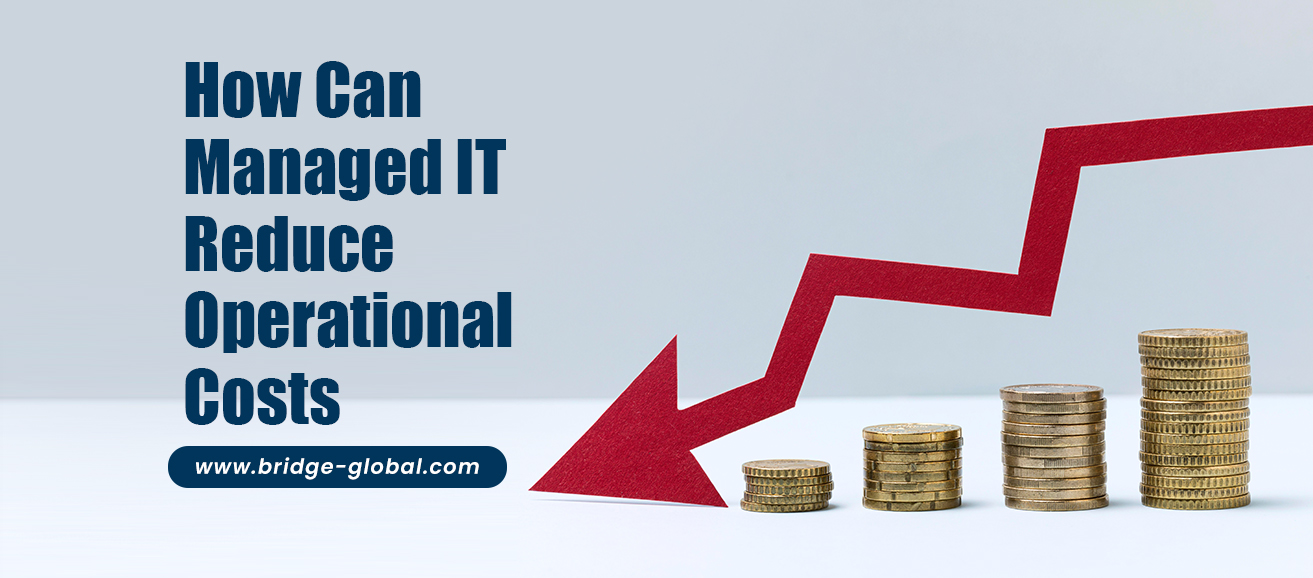
    How Technology Reduces Operational Costs Long Term

    StaffBy StaffFebruary 2, 2026Updated:February 9, 2026No Comments
    Share
    Facebook Twitter LinkedIn Pinterest Email

    have been caught earlier. The hum of routine problems begins to fade. That silence is expensive to create and cheap to maintain — which is why companies keep chasing it.

    In many mid-sized firms, operational costs used to rise in step with growth. More customers meant more staff, more floor space, more paperwork, more friction. Technology broke that link. A logistics manager I once interviewed showed me two photos from his warehouse ten years apart: the earlier one packed with clipboards and printed manifests, the later one nearly paperless, with handheld scanners and automated routing screens. Headcount hadn’t doubled even though order volume had. He said the surprise wasn’t the speed — it was the drop in small daily mistakes that used to compound into large monthly losses.

    Automation is often described as a labor story, but the deeper savings show up elsewhere. Error reduction is one of the least glamorous and most powerful forces in digital savings. A mistyped invoice number, a misplaced decimal in inventory, a missed maintenance window — each one carries a ripple cost. Software doesn’t eliminate human oversight, but it narrows the field of failure. Over years, fewer corrections mean fewer emergency budgets, fewer penalties, fewer strained client calls that begin with apologies.

    Cloud infrastructure changed the math of ownership in a way many executives initially resisted. Buying servers once felt like buying a building: solid, visible, reassuring. Renting computing power felt temporary, even risky. But ownership carries maintenance, depreciation, upgrades, and downtime risk. Subscription infrastructure turns capital expense into operational expense and spreads risk across providers whose scale most companies cannot match internally. The savings don’t always appear in year one, which is why early critics often declared the shift overrated. By year five, the maintenance team is smaller and the upgrade cycle invisible.

    Energy costs are another slow-burn example. Smart systems now regulate lighting, cooling, and equipment usage with sensor-level precision. Office buildings that once blasted air conditioning on fixed schedules now respond to occupancy patterns. Manufacturing equipment powers down between cycles automatically. Fleet vehicles route dynamically instead of idling in traffic-prone corridors. None of this feels revolutionary day to day. Yet energy audits repeatedly show double-digit percentage reductions after digital controls are installed.

    There is also a psychological shift inside organizations once cost reduction technology becomes embedded. Decisions move from instinct to evidence. Data dashboards replace anecdotal reports. Managers argue less about what happened and more about what it means. Predictive maintenance is a good illustration. Instead of servicing machines every six months regardless of condition, sensors monitor vibration, heat, and output patterns to predict failure. Maintenance becomes targeted. Spare parts inventory shrinks. Downtime becomes rarer and shorter.

    I remember feeling a flicker of skepticism the first time a plant supervisor told me his best technician now spends more time reading graphs than touching machines.

    Remote operations have produced another layer of long-term savings that rarely makes press releases. Distributed teams reduce real estate pressure. Hybrid support centers operate across time zones without duplicating facilities. Training shifts from travel-heavy seminars to interactive digital modules. Even audits and compliance checks increasingly happen through shared live data rather than on-site inspections. Travel budgets, once treated as fixed costs of doing business, now look negotiable.

    Digital procurement systems deserve more attention than they get. When purchasing moves through transparent platforms with approval workflows and supplier comparison built in, maverick spending drops. Duplicate vendor contracts get spotted. Bulk negotiation improves. One retailer told me their biggest savings came not from negotiating harder but from finally seeing what they were already buying. Visibility turned out to be cheaper than aggression.

    Still, the long-term savings curve is uneven. Early adopters often underestimate integration costs. Old systems resist new ones. Staff training takes longer than promised. Software licenses multiply. There’s even a term whispered in IT corridors — tool sprawl — for companies that buy overlapping digital products that solve similar problems while adding administrative burden. Technology reduces operational costs only when someone is responsible for subtraction as well as addition.

    Small businesses sometimes gain the most dramatic efficiency jumps because they leapfrog directly to modern systems. A small accounting firm can move straight to cloud bookkeeping, automated tax workflows, and AI-assisted reconciliation without unwinding legacy platforms. Larger enterprises carry historical layers that complicate every upgrade. Their savings arrive, but through staged, sometimes painful transitions.

    Customer service technology has also reshaped cost structures in a subtle way. Self-service portals, AI chat routing, and automated ticket categorization reduce support loads without necessarily reducing service quality. Customers increasingly prefer quick digital resolution over long phone queues. The savings come not only from fewer agents per ticket but from shorter resolution cycles and better tracking. Faster answers reduce repeat contacts, which is where service budgets quietly balloon.

    There’s a cultural side effect too. When routine operational friction drops, companies attempt more experiments. Lower process cost encourages controlled risk. Marketing teams run more targeted campaigns because analytics makes outcomes measurable. Operations teams test scheduling changes because software can simulate impact. Experimentation used to be expensive; now it is often computational.

    The most overlooked savings may be time compression. Digital workflows collapse multi-day approval chains into same-hour decisions. Contract cycles shorten with e-signatures and automated compliance checks. Inventory systems update in real time rather than weekly batches. Time saved converts to faster revenue recognition and lower working capital lockup accounting benefits that rarely get attributed to cost reduction technology in casual conversation.

    Not every digital investment pays off. Some are bought for fashion rather than function. The difference usually shows in maintenance behavior. Useful systems get continuously tuned. Fashion systems sit untouched after launch, impressive and oddly unused. Long-term operational savings come from iteration, not installation.

    Vendors like to sell transformation. Operators tend to value friction removal. The companies that actually lower their operational costs over the long term are usually less interested in shiny tools and more interested in dull reliability. They track error rates, downtime minutes, processing hours per transaction. They celebrate small percentage improvements because they understand compounding.

    Technology rarely makes operations free. What it does — when chosen carefully and maintained honestly — is make costs predictable, compressible, and visible. And visibility, more than novelty, is what changes behavior.

    costs tech
    Share. Facebook Twitter Pinterest LinkedIn Tumblr Telegram Email
    Brittany Bathgate | How Technology Reduces Operational Costs Long Term
    Staff

    Related Posts

    How Automation Supports Scalable Business Growth

    February 7, 2026

    Why Cybersecurity Is a Business Priority

    February 6, 2026

    How Digital Tools Improve Customer Experience

    February 5, 2026
    Leave A Reply Cancel Reply

    Top Posts

    Couples Invited to Celebrate Valentine’s Day at PizzaExpress Live in Dubai Production City

    February 9, 2026

    Ruth Davidson On Life’s Challenges: Overcoming Trauma, Depression, and Finding Peace

    August 25, 2024

    Alison Hammond Reveals Financial Struggles Despite TV Fame

    August 25, 2024

    Princess Kate Makes A Surprise Balmoral Appearance With Royal Family

    August 25, 2024
    Don't Miss
    FOODS & DRINKS

    Couples Invited to Celebrate Valentine’s Day at PizzaExpress Live in Dubai Production City

    By Brittany BathgateFebruary 9, 2026

    This Valentine’s Day, PizzaExpress Live at Four Points by Sheraton, Dubai Production City is inviting…

    Enerjisa Üretim Enters Europe’s Top 10 Private Wind Energy Producers

    February 9, 2026

    How Automation Supports Scalable Business Growth

    February 7, 2026

    Why Cybersecurity Is a Business Priority

    February 6, 2026

    Subscribe to Updates

    Get the latest creative news from SmartMag about art & design.

    About Us
    About Us

    Stay informed with Brittany Bathgate – your source for reliable news and expert insights. Explore our site for the latest stories and updates.

    Email Us: info@brittanybathgate.co.uk
    Contact: +1-320-0123-451

    Facebook X (Twitter)
    Our Picks

    Couples Invited to Celebrate Valentine’s Day at PizzaExpress Live in Dubai Production City

    February 9, 2026

    Enerjisa Üretim Enters Europe’s Top 10 Private Wind Energy Producers

    February 9, 2026

    How Automation Supports Scalable Business Growth

    February 7, 2026
    Most Popular

    Couples Invited to Celebrate Valentine’s Day at PizzaExpress Live in Dubai Production City

    February 9, 2026

    Ruth Davidson On Life’s Challenges: Overcoming Trauma, Depression, and Finding Peace

    August 25, 2024

    Alison Hammond Reveals Financial Struggles Despite TV Fame

    August 25, 2024
    © 2026 ThemeSphere. Designed by ThemeSphere.
    • About Us
    • Contact
    • Meet the Brittany Bathgate Team
    • Privacy Policy
    • Terms and Conditions

    Type above and press Enter to search. Press Esc to cancel.