

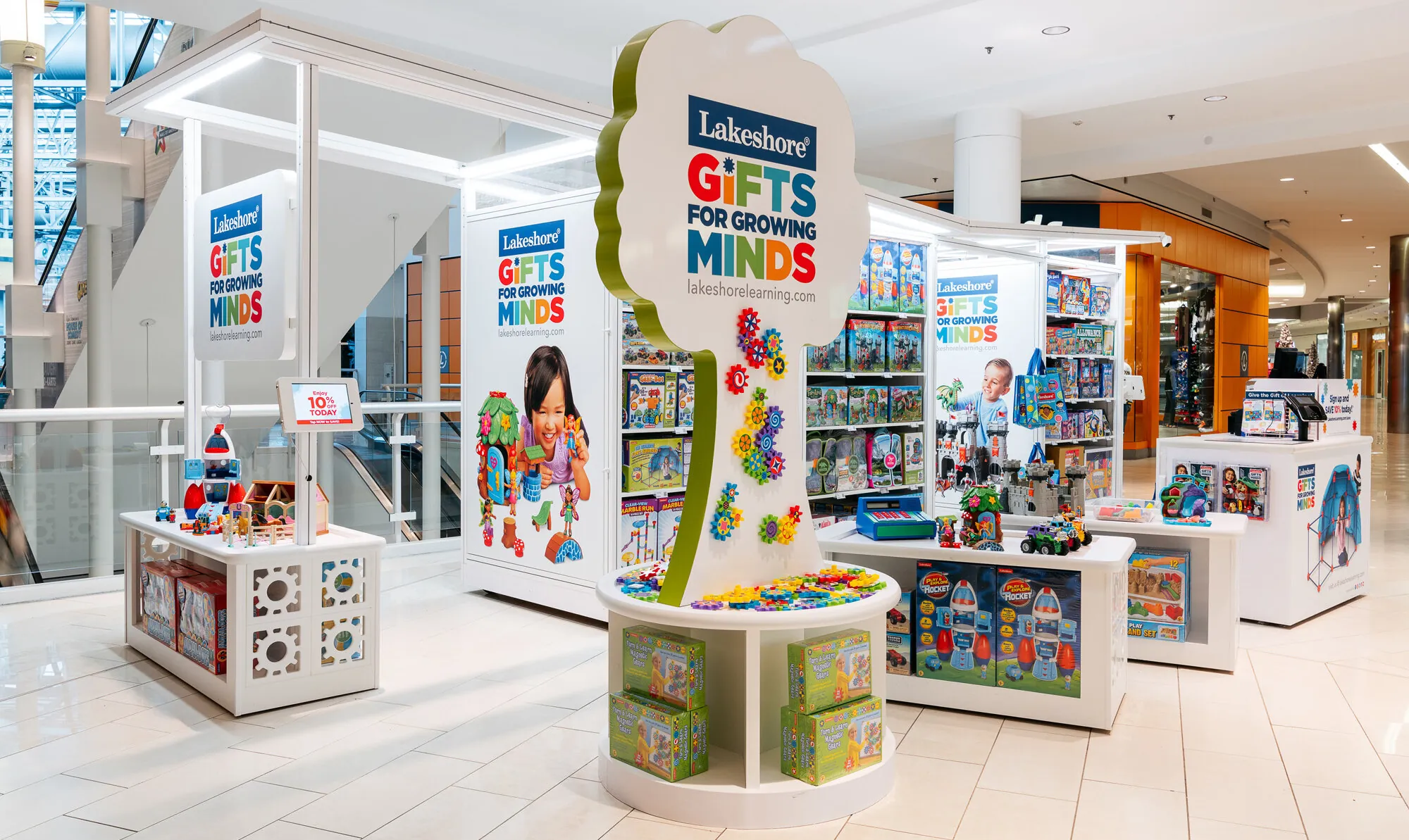

The first thing people tend to notice about a pop-up is its confidence. A cosmetics brand takes over a former bank branch for six weeks and doesn’t bother to explain why it will be gone by spring. A digital mattress company stacks beds like sculptures and invites passers-by to lie down in their coats. The message is implicit and deliberate: we are here because we want to be, not because we must be.
Pop-up stores used to feel like novelty acts, clever but peripheral. Today they read more like footnotes to a much larger strategic shift. Retailers are no longer pretending that physical space exists primarily to shift units. In the UK especially, where high streets carry both nostalgia and economic pressure, pop-ups have become a way to occupy space without inheriting its long-term risks.
The stores themselves often look unfinished on purpose. Exposed fittings, movable shelving, staff who seem more like hosts than salespeople. This isn’t thrift; it’s signalling. Permanence implies obligation, while temporary space allows brands to test, adjust, and leave without apology. It also encourages customers to forgive rough edges. People linger longer when they know something is fleeting.
In London last autumn, a fashion label opened a pop-up in Soho that sold only one jacket in three colours. The rest of the floor was given over to mirrors, coffee, and a short film looped on a wall. No discounts. No racks to rummage through. The queue formed anyway. Scarcity, it turns out, still works when it is anchored in clarity rather than gimmickry.
What is striking is how often the transaction itself feels secondary. Many pop-ups collect email addresses, preferences, or feedback more eagerly than payments. Staff ask questions that sound like user research sessions. Tablets replace tills. The store becomes a live survey, with bodies moving through it.
This aligns neatly with the logic of experiential marketing, retail pop up strategy UK brands are now comfortable articulating out loud. Physical retail has been repositioned as a channel for insight and memory, not just revenue. The cost is justified not by daily takings but by what the brand learns while the doors are open.
There is also a noticeable shift in who is opening these spaces. It is no longer just online-first brands craving legitimacy. Established retailers are experimenting too, spinning up pop-ups to trial new sub-brands or reposition tired ones. A department store group uses a pop-up to test a sustainability concept without forcing it onto the rest of its estate. If it resonates, it scales. If not, it disappears quietly.
Timing matters more than ever. Many pop-ups are synced to cultural moments rather than retail calendars. Product drops coincide with festivals, exhibitions, or neighbourhood events. A sportswear brand opens during a marathon weekend. A food brand appears for the duration of a local market season. The store becomes part of the city’s rhythm, not a fixed interruption to it.
This flexibility has changed landlord relationships as well. Short-term leases, once a sign of desperation, are now negotiated tools. Empty units are animated. Streets look busy. Brands get prime locations without decade-long commitments. Everyone pretends, convincingly, that this was the plan all along.
I remember standing in a pop-up last year, watching a manager note down customer comments in a small notebook, and thinking how little of this would ever show up in a sales report.
Design choices often reveal more than mission statements. Many pop-ups foreground process over polish. Ingredients on walls. Supply chains mapped in chalk. Screens showing behind-the-scenes footage. This is not accidental transparency. It reflects a belief that modern customers are less persuaded by perfection than by coherence. Show them how something is made, and they will decide whether to trust you.
The temporary nature of pop-ups also lowers the stakes for storytelling. Brands take creative risks they would never embed into permanent stores. Bolder colours. Stranger layouts. Experimental collaborations. When something feels off, it can be reframed as part of the experiment rather than a failure of judgement.
There is, however, an undercurrent of unease. Some pop-ups feel over-engineered, obsessed with Instagram angles and little else. When every surface is a photo opportunity, the space can start to feel hollow. Customers sense this quickly. A store that exists only to be photographed rarely rewards repeat visits, even within its short lifespan.
The more effective pop-ups tend to be quieter. They trust people to notice details without prompting. A well-placed bench. A staff member who knows when to stop talking. A moment of stillness in an otherwise busy shopping street. These small decisions suggest a confidence that doesn’t need to shout.
From a strategic perspective, pop-ups also expose how fragmented retail metrics have become. Success is no longer binary. A pop-up can “work” without selling much at all, provided it feeds other parts of the business. Content teams harvest footage. CRM systems absorb new data. Product teams refine assumptions. The store is a node, not a destination.
In the UK context, this has particular resonance. High streets are caught between regeneration plans and lived reality. Pop-ups allow brands to participate without making promises they can’t keep. They also let retailers observe how different towns respond before committing resources. A concept that thrives in Brighton may fall flat in Milton Keynes, and a six-week lease is a gentler way to learn that.
What these spaces ultimately reveal is a recalibration of ambition. Retail strategy today is less about domination and more about alignment. Brands are choosing where and when to appear, rather than insisting on constant visibility. They are accepting that attention is episodic, and designing accordingly.
Pop-up stores, for all their apparent lightness, carry a serious message. Retail is no longer anchored to walls. It moves, adapts, listens, and occasionally retreats. The smartest brands are not using pop-ups to pretend everything is fine, but to find out what might work next, in public, before the ground shifts again.
