

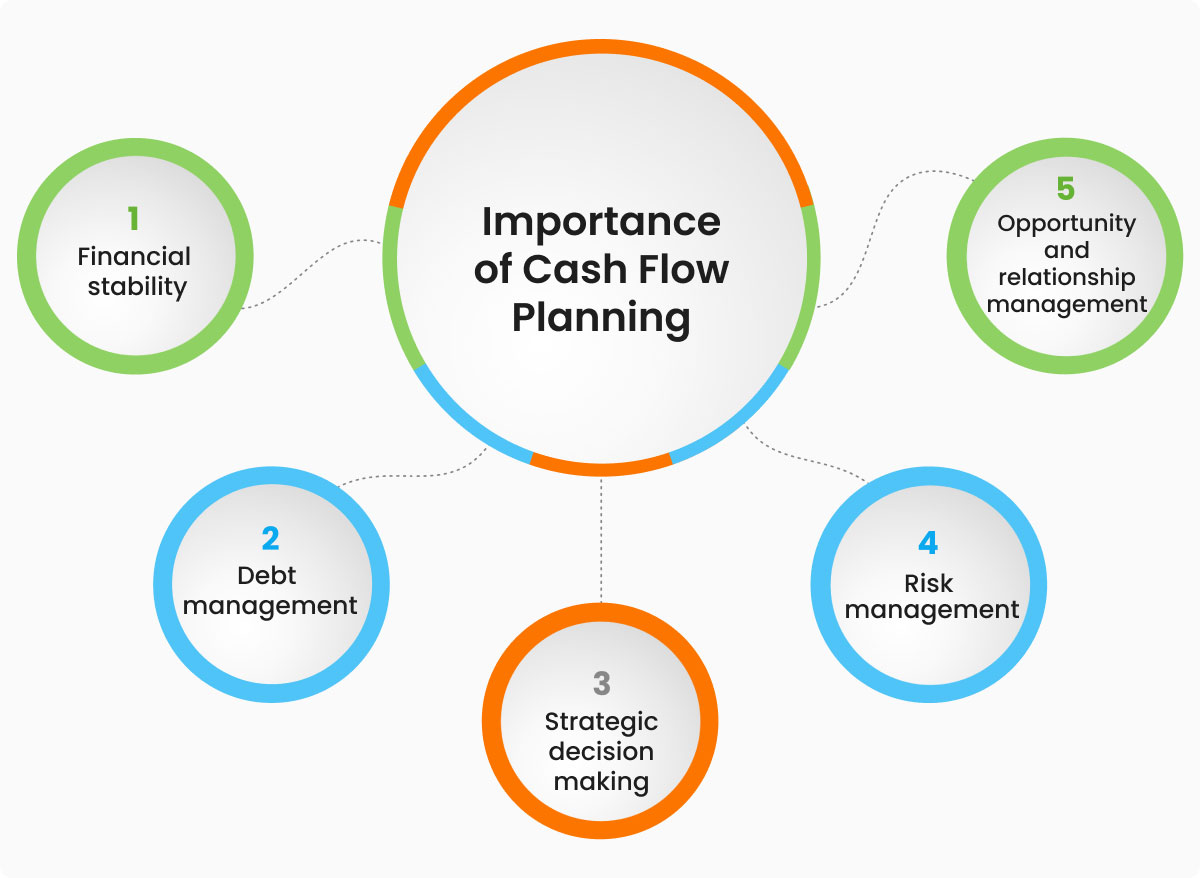

I first noticed the power of cash flow management years ago, watching a mid‑sized manufacturing firm lock up orders worth millions only to falter because its cash was tied up in unpaid invoices. The company was profitable on paper but short of cash on the ground — a reminder of a truth many executives reluctantly learn: profitability and liquidity are cousins, not twins. Positive earnings don’t guarantee you can pay the next month’s wages.
Every business, whether a scrappy startup or an established regional player, learns early on that money in the bank matters more than money on paper. Every invoice uncollected — every payment delayed — widens the gap between ambition and reality. Cash flow management, at its simplest, is about ensuring that the stream of money coming into a business never dries up faster than the stream going out. It’s an operational compass, a risk hedge, and often the difference between expansion and contraction.
Some executives treat cash flow spreadsheets the way others treat insurance policies: necessary, boring, and best ignored until something goes wrong. But the smartest leaders, those who’ve been burned by surprise shortfalls, measure cash flows not just monthly or quarterly but weekly or even daily. They know that liquidity — the ability to meet bills, payroll, and supplier costs — determines whether an opportunity can be seized or a crisis must be endured. When cash flow is predictable, investment decisions aren’t guesswork; they’re carefully plotted commitments backed by data.
I’ve sat across from founders who confess that their greatest strategic missteps were rooted not in bad ideas but in poor timing. One tech entrepreneur I interviewed last year had a promising product line ready for launch, but because client payments lagged and operating costs mounted, the rollout was postponed indefinitely. That delay didn’t just cost revenue — it cost market momentum, morale, and the trust of early adopters. Liquidity, not gadgets, became the gating factor.
Liquidity’s role in growth is paradoxical. On the one hand, it’s humble — just cash moving in and out. On the other, it’s transformative. A company with healthy cash flow can hire people, invest in technology, stock inventory, and enter new markets without relying heavily on debt. It’s why companies with strong internal cash reserves often outpace peers who are equally profitable but less liquid. Strategic reinvestment becomes possible only when cash isn’t constricted by operational shortfalls.
But there’s an emotional rhythm to this too. I’ve watched the mood in a boardroom shift palpably when a finance director projects cash flow scenarios for a new quarter. Optimism sharpens; risks are acknowledged not with anxiety but with plans. Without this visibility, decisions feel like shots in the dark — and growth plans often remain stuck in PowerPoint presentations. In that moment, cash flow becomes a language executives speak with urgency rather than abstraction.
For many small and medium enterprises, the consequences of poor cash flow management are stark. Seasonal dips in sales or industry cycles can create cash gaps that, if unmanaged, lead to missed payments, strained supplier relationships, or even insolvency. A steady cash flow, by contrast, builds confidence with creditors and lenders, enabling easier access to credit lines when needed. It’s not just about avoiding trouble — it’s about positioning the company to capitalize on favorable terms and opportunities when they arise.
Yet effective cash flow management isn’t purely defensive. It’s proactive. Cash forecasting allows leaders to map future inflows and outflows, anticipate crunch points, and create buffers. Companies that master this are more nimble; they can pivot during downturns and invest boldly when cycles shift upward. The discipline of projecting cash flow forces leaders to confront assumptions, test scenarios, and prepare for uncertainties that inevitably emerge.
There’s a subtle art to balancing working capital — the cash tied up in inventory and receivables against the cash needed for operations and growth. Too much idle cash can indicate missed investment opportunities. Too little can signal vulnerability to unexpected shocks. Companies that excel find a rhythm that supports both resilience and ambition.
At its core, managing cash flow changes how a business thinks about time. It’s not just about last month’s numbers or next quarter’s projections, but about the cadence of cash itself — when it arrives, when it must be paid, and how those cycles align with strategic goals. In companies that have internalized this, decisions are less reactive and more intentional. They grow not just because they have great products, but because they’ve learned to steward the lifeblood that enables every strategy to unfold.
Managing cash flow isn’t glamorous, and it doesn’t make headlines. But for businesses serious about growth and stability, it’s the quiet imperative that underpins everything from survival to expansion. The companies that treat cash flow as central to strategy are often those that endure, adapt, and thrive.
