

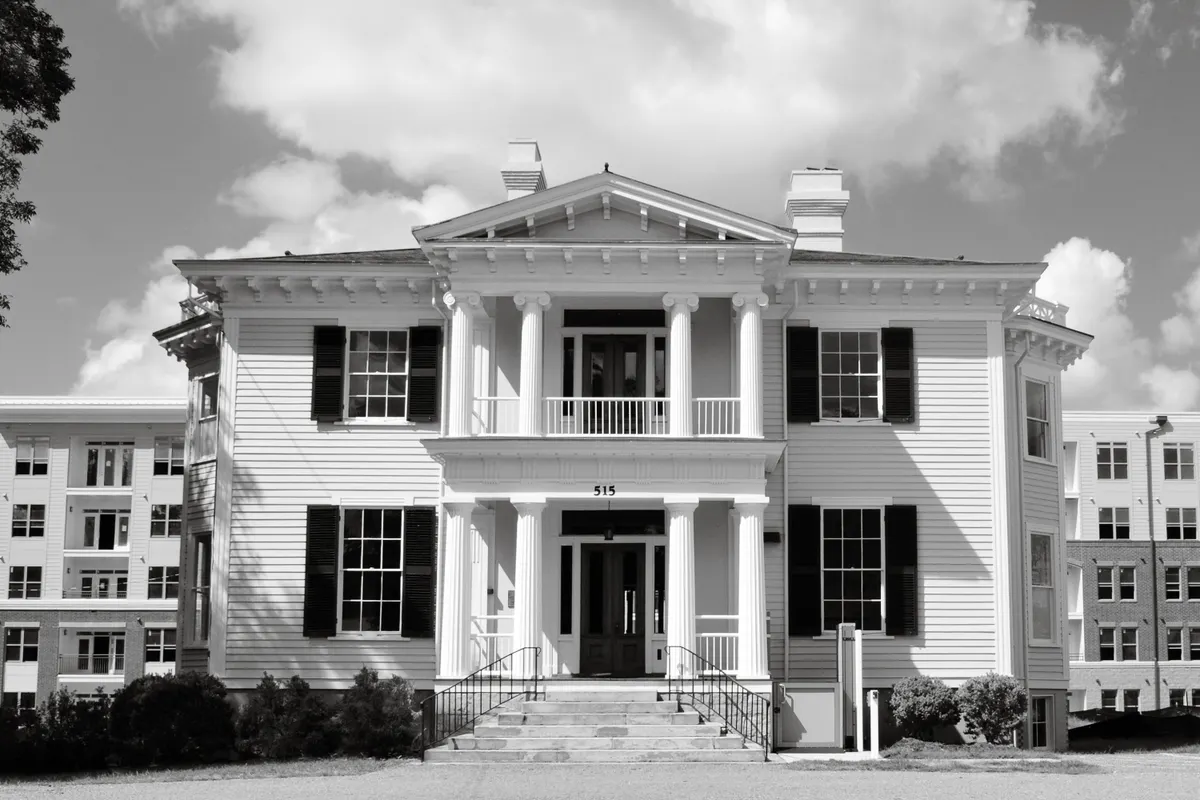

The Cornell rape case reopened by prosecutors in New York has returned sexual violence, and the culture that surrounds it, to the centre of public conversation. This week, a criminal investigation was relaunched into allegations stemming from an incident at a fraternity house at Cornell University in 2024, and the case will now be presented to a grand jury.
An anonymous woman, known as Jane Doe, filed a civil lawsuit alleging that she was raped by seven male students. According to Al Jazeera, Doe alleges the assault took place at the Chi Phi fraternity house over the course of seven hours, before she blacked out at around 5:45am. The seven defendants, whose names TIME identifies as Matthew Ingalls, Johnathan Newell, Winston Lee, Gillio Lopes, Diego Sarabia, Scott Norris and Scott Kretzschmar, have never faced criminal charges. Two of the men denied their involvement in statements to ABC News. Cornell University conducted its own investigation and expelled two of the men.
The university’s handling of the case has drawn its own scrutiny. TIME reports that Cornell publicly disclosed it was investigating the allegation on 8 November 2024, the same day Doe went to the police, a timeline that has raised questions about the institution’s processes. Jane Doe’s attorney, Thomas Giuffra, said: ‘Her dreams were destroyed by a group of men who sought to abuse and humiliate her. She was subjected to unspeakable horrors.’
Why the Cornell Rape Case Reopened Matters Beyond the Courtroom
Cases like this one do not exist in isolation. What the Cornell rape case reopened by New York prosecutors has done, once again, is illuminate the wider architecture of attitudes, institutions and silences that make sexual violence possible, and that can make it so difficult to prosecute. Sophie Lennox, head of external affairs at Everyone’s Invited, puts it plainly: ‘We want people to understand that rape culture isn’t one isolated behaviour or one individual’s action; it’s the attitudes, behaviours and systems that normalise, minimise or excuse sexual violence and harassment. Its pervasiveness means that all of us encounter these attitudes throughout our lives, often without recognising the harm they cause.’
Lennox continued: ‘Sexual violence cannot be addressed without addressing the culture that enables it. We need to believe and support survivors, challenge harmful attitudes and give young people the tools to understand consent, boundaries and healthy relationships. A holistic, whole-societal approach is the only option.’
There are organisations that have been doing precisely this work for years. Below are some of them, and how you can support them.
The Charities and Coalitions Fighting Rape Culture
Everyone’s Invited was founded in 2020 by activist Soma Sara as a platform for survivors to anonymously share experiences of rape culture and sexual violence. It has since grown into a charity working with over 150 schools and 100,000 young people on consent, sexual wellness, sexual violence and online abuse. The charity reports that more than 53,000 survivors have shared their experiences with the organisation. You can donate via its website, share its social media, or get in touch if you are connected to a school or youth organisation interested in its programme.
Southall Black Sisters, founded in 1979, provides specialist services by and for Black and minoritised women, supporting those experiencing domestic and sexual abuse as well as forced marriage, homelessness and immigration problems. A particularly important strand of its work involves women with no recourse to public funds, an immigration condition that can leave women experiencing abuse with severely limited options. Its No Recourse Fund can help eligible women access safe accommodation and subsistence support. Donations, volunteering opportunities and further ways to get involved are listed on its website.
The End Violence Against Women Coalition brings together more than 175 organisations spanning specialist support services, researchers and campaign groups. Its current Rape Justice Now campaign calls for changes to the criminal justice system, and it takes an explicitly intersectional approach, recognising that experiences of violence are shaped by race, class, disability, sexuality and other forms of inequality. Donations are accepted via its website, and you can also respond to its calls for public action, or support one of its member organisations.
Rape Crisis England and Wales is the national membership and campaigning body for a network of specialist rape crisis centres. Its 24/7 support line has handled more than 650,000 calls and webchats since launching in 2022. The organisation is currently campaigning on the use of survivors’ counselling notes in criminal investigations and the backlog of rape cases in the crown court. You can donate to the national body or directly to your local Rape Crisis centre, which it notes are separate from one another.
Imkaan is the UK’s only national feminist umbrella organisation dedicated to addressing violence against Black and minoritised women and girls, working across policy advocacy, research and specialist organisational support. Galop, an LGBTQ+ anti-abuse charity, launched what it describes as the UK’s first LGBTQ+ sexual violence certificate course in 2026, designed to raise the standard of specialist support for LGBTQ+ survivors, who can face additional barriers including concerns that their identities and experiences will not be understood by mainstream services.
The Cornell rape case reopened this week is a moment, and moments pass. The work of these organisations does not.
