

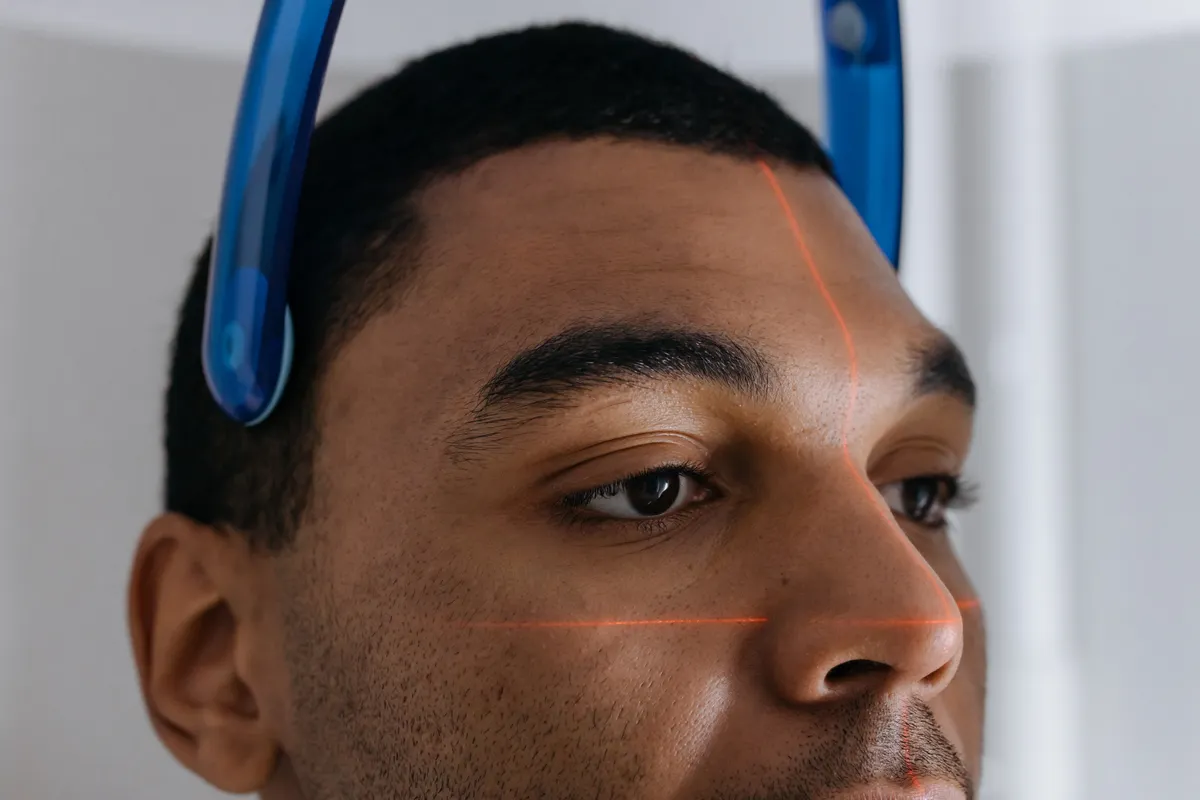

The phrase hair X-ray damage repair sounds like something lifted from a dermatology clinic brochure, but it has quietly become one of the more genuinely intriguing conversations happening in professional salons right now. The premise is straightforward enough: rather than guessing at the state of your hair based on how it looks or feels, a diagnostic scan creates a visual record of breakage, porosity, and structural compromise at a level the naked eye simply cannot reach.
We have been sold hair health for decades, of course. The shelves are full of bond-builders, protein treatments, and oils promising restoration. What the X-ray approach offers is something different: a before photograph, of sorts, that makes the damage legible. Whether your hair has been repeatedly bleached, heat-styled daily, or simply subjected to years of elastic bands and winter air, the scan is said to reveal the cumulative evidence in a way that changes the conversation between client and stylist.
What a hair X-ray actually shows
The technology works by imaging the hair shaft to reveal where the cuticle has lifted, where the cortex has weakened, and where breakage is most likely to occur. Think of it less as a medical procedure and more as a diagnostic tool, the kind of thing that moves a hair appointment from guesswork into something closer to a treatment plan. The results, by most accounts, are clarifying: damage that a client had vaguely sensed but not quantified becomes visible and specific.
For anyone who has sat in a salon chair and been told their hair is “quite dry” without further elaboration, the appeal is obvious. Precision changes what is possible. A stylist who can see exactly where the damage sits can calibrate a treatment rather than apply something broadly and hope.
Hair X-ray damage repair and what comes next
The diagnostic step is only part of the story. Once the scan has mapped the damage, the question becomes what to do with that information. Good Housekeeping UK has reported on the Schwarzkopf Fibre Clinic, a salon-only treatment that uses Bondfinity technology to create permanent bonds within the hair, directly addressing the kind of structural damage a scan might identify. The distinction between permanent bond creation and the more common conditioning approach is worth understanding: many treatments coat the hair’s surface or temporarily fill gaps in the cuticle, whereas Bondfinity is positioned as working within the fibre itself.
It is the difference between painting over a crack in a wall and filling it. Both produce a smoother surface in the short term; only one changes the underlying structure. For hair that has been heavily processed, the latter is the more credible promise.
Schwarzkopf‘s Fibre Clinic being salon-only is relevant context. It places this kind of repair firmly in professional territory, which aligns with what the diagnostic scan itself implies: that serious damage is better assessed and treated by someone who knows what they are looking at.
There is a broader point here about how we talk about hair health. The wellness vocabulary that has reshaped skincare, the layering of actives, the attention to barrier function and long-term condition rather than surface finish, is arriving in haircare at a measured pace. Stylist has been tracking this shift, and the hair X-ray sits squarely within it: the move from cosmetic fixes to something more diagnostic, more accountable, more interested in what is actually happening beneath the shine.
If you are considering the treatment, the practical question is whether your salon offers the scanning technology, and whether a hair X-ray damage repair consultation is built into what follows. The scan without a coherent treatment protocol is an interesting photograph and not much more. With one, it becomes the starting point for something worth the appointment.
