

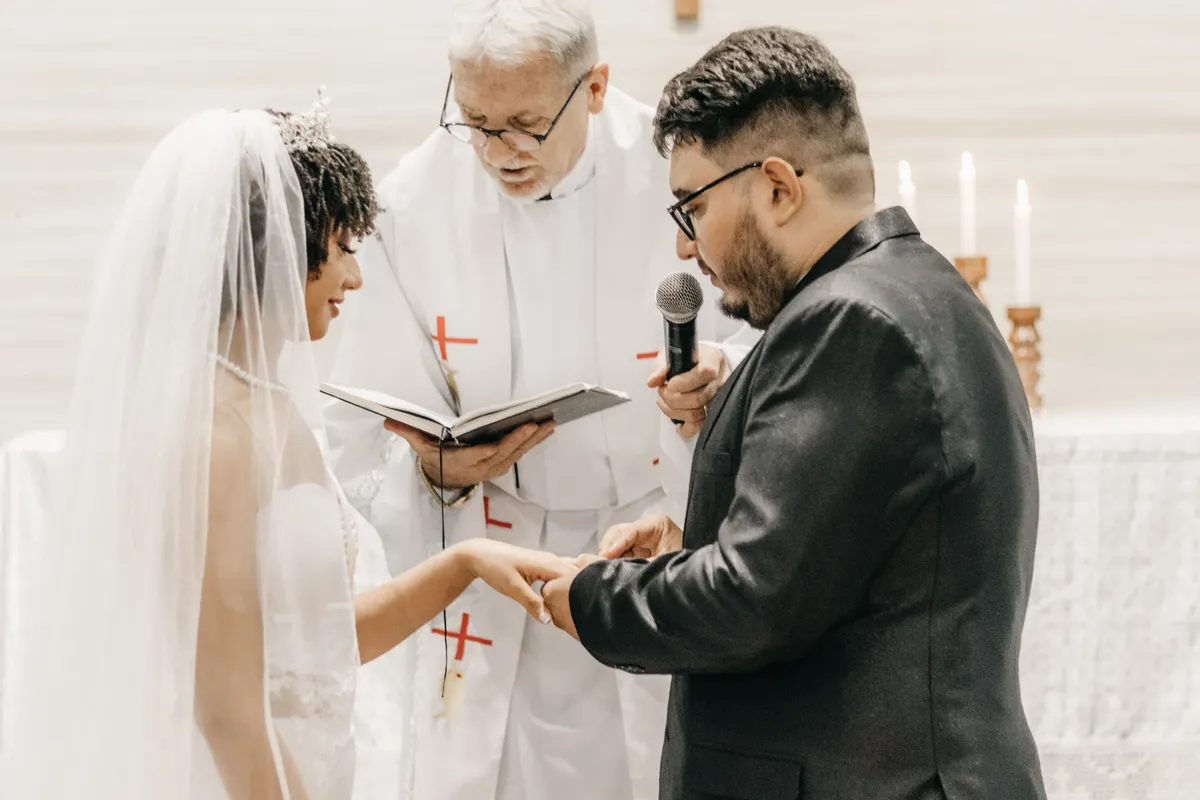

The budget wedding under £10,000 is not a compromise. It is, if done with any real intention, a far more considered thing than the industry-average alternative, and five women who have been there, spent that, and come out the other side with the photographs to prove it suggest the same.
The conventional wedding has become an exercise in managed anxiety. Yahoo Finance, citing The Knot Real Weddings Study, puts the average amount couples spent on their wedding day in 2021 at $22,500, a figure that does not include the honeymoon, and one that has been climbing for years. The venue alone accounted for $10,000 of that, making it the single largest budget line item for most couples. Suddenly, the idea of keeping the whole affair under £10,000 looks less like restraint and more like good sense.
The numbers behind a budget wedding under £10,000
Part of what inflates wedding costs is scale. The same Knot study found that the average wedding in 2021 had 105 guests, a guest list large enough to make almost every logistical decision more expensive, from catering per head to table flowers to the sheer square footage of the venue required. Halve the guest list and you have not halved the wedding; you have very often improved it. The women whose experiences informed this piece understood that instinctively.
The dress, too, is a category where expectations and expenditure have drifted some distance apart. CNBC, citing The Knot’s Real Weddings Study, reported that the national average spent on a wedding dress was $1,564 in 2016. For a budget-conscious bride, that figure is the ceiling, not the floor, and several of the women featured here found dresses they loved for considerably less, whether through sample sales, vintage finds, or simply choosing something that was never labelled a wedding dress at all.
What actually matters when the budget is fixed
There is a certain clarity that comes with a hard spending limit. When the number is fixed, the decisions become easier: you cannot agonise for long over the embossed stationery or the vintage Rolls-Royce if the sums simply do not stretch. What the women in this piece describe, consistently, is a process of identifying the two or three elements that genuinely mattered to them and spending there, then finding pleasingly creative or pragmatic solutions for everything else.
Food is one area where a genuine budget wedding under £10,000 requires both honesty and nerve. A seated dinner for a hundred guests, with wine and waiting staff, will consume the entire budget before the couple have thought about flowers or photographs. The alternatives, a lunch reception, a morning ceremony with afternoon canapés, a relaxed dinner at a restaurant the couple already love, tend to produce more interesting days, and almost certainly better food.
Flowers are another line item where the gap between what is spent and what is noticed by guests is arguably the largest. A single large arrangement at the ceremony, or flowers sourced directly from a market the morning before, can read beautifully in photographs without requiring a dedicated florist budget. Several of the women featured dispensed with formal floristry altogether and the images are none the worse for it.
Photography, by contrast, is widely identified as the one category where the budget wedding can afford no real corner-cutting. The photographs outlast the day itself; a less experienced photographer is a risk that tends to announce itself years later, in the images you cannot use. Every woman who kept her wedding under £10,000 made a deliberate choice about where to prioritise, and more than one placed the photographer at the top of that list.
The thread running through all of it is the acceptance that something, somewhere, will not go precisely to plan. As Stylist puts it in the framing of the original piece: come ready for a few things to go wrong. The weddings that people remember fondly (their own and other people’s) are rarely the ones where nothing went wrong. They are the ones where nobody cared when it did.
