


The Italian babymoon itinerary that Amy Beecham, writing for Stylist, quietly assembled for herself turns out to be one of the more persuasive arguments for slow travel in northern Italy: four cities, taken at a deliberate pace, with the volume turned down and the food turned up.
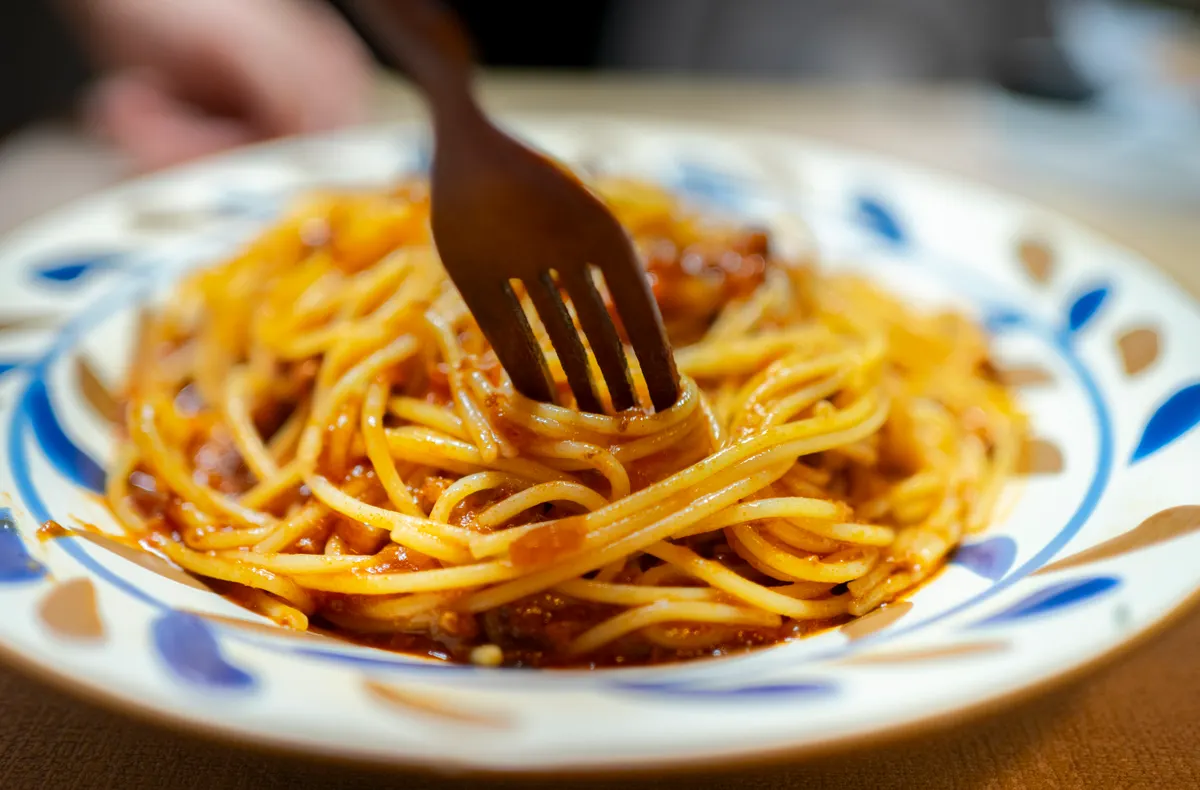
The four stops were Venice, Verona, Lake Como and Milan, arranged as a loose road trip designed around the particular logistics of being six months pregnant. The objective, as she describes it, was luxury without exhaustion: Italian hospitality, ocean-fresh crab linguine, plates of bread dipped in olive oil, and enough fettucine to qualify as a personal best. Not a gruelling cultural itinerary, in other words. A considered one.
The Italian Babymoon Itinerary, Stop by Stop
Venice needs no justification, and Beecham offers none. It is simply where you begin: water, light, and the particular quality of silence that arrives when a city has no roads. For anyone travelling at reduced pace, it happens to suit beautifully. The labyrinthine streets demand nothing faster than a wander.
Verona follows, compact, manageable, and far less trafficked by visitors than its neighbours. The Roman amphitheatre and the obligatory nod to Shakespeare are there if you want them, but the pleasure of Verona is more diffuse than that: good wine in a small piazza, the particular golden quality of the light in the early evening.
Lake Como is where the itinerary opens up. The lake has been drawing visitors who want to feel as though they have slipped briefly out of ordinary life for long enough that it now does so with some authority. It has, among other things, served as a backdrop for a Star Wars film, according to Tripmasters, which gives it a particular kind of cinematic credibility that Villa d’Este alone cannot quite claim.
For accommodation, the options range from the grandly operatic to the quietly exclusive. Il Sereno, set in the small town of Torno, offers only 40 suites, giving it a scale that feels closer to a private house than a hotel, according to Leisurely Linds. For anyone who finds the larger Como properties faintly overwhelming (and at six months pregnant, you might) that restraint is not incidental. It is the point. Alternatively, Vista Palazzo Lago di Como offers something more theatrical: Travel Agent Central notes that the lake views carry through the entire property, with the best vantage point reserved for a guests-only rooftop restaurant, bar and library. The rooftop library detail is, it must be said, doing a great deal of work.
Milan: The Final Stop, and How to Arrive Well
Milan closes the itinerary, which is the correct order of things. It is the city with the most to ask of you (the most to walk, the most to look at, the most to resist buying) and arriving there at the end of the trip, when the pace has already been established, prevents it from swallowing everything that came before.
Travellers flying into Milan Malpensa Airport will find the transfer question easily solved: Europe Express notes that a private transfer from Malpensa to a city-centre hotel is a straightforward option. The NEMI Hotel Milan, a five-star property in the centre, is flagged by Europe Express as one logical landing point for this particular northern Italy circuit.
What Beecham’s account captures, underneath the practicalities, is something slightly harder to articulate: the particular usefulness of a trip taken in the pause before a life changes substantially. Italy, and northern Italy especially, has long understood the value of unhurried pleasure, the long lunch, the slow evening, the view held for a moment longer than necessary. As a framework for that specific kind of travel, this Italian babymoon itinerary is, as itineraries go, rather well-constructed. The crab linguine, she notes, lived up to everything she had imagined during those early months of morning sickness. Which, in the end, is the only review that matters.
