

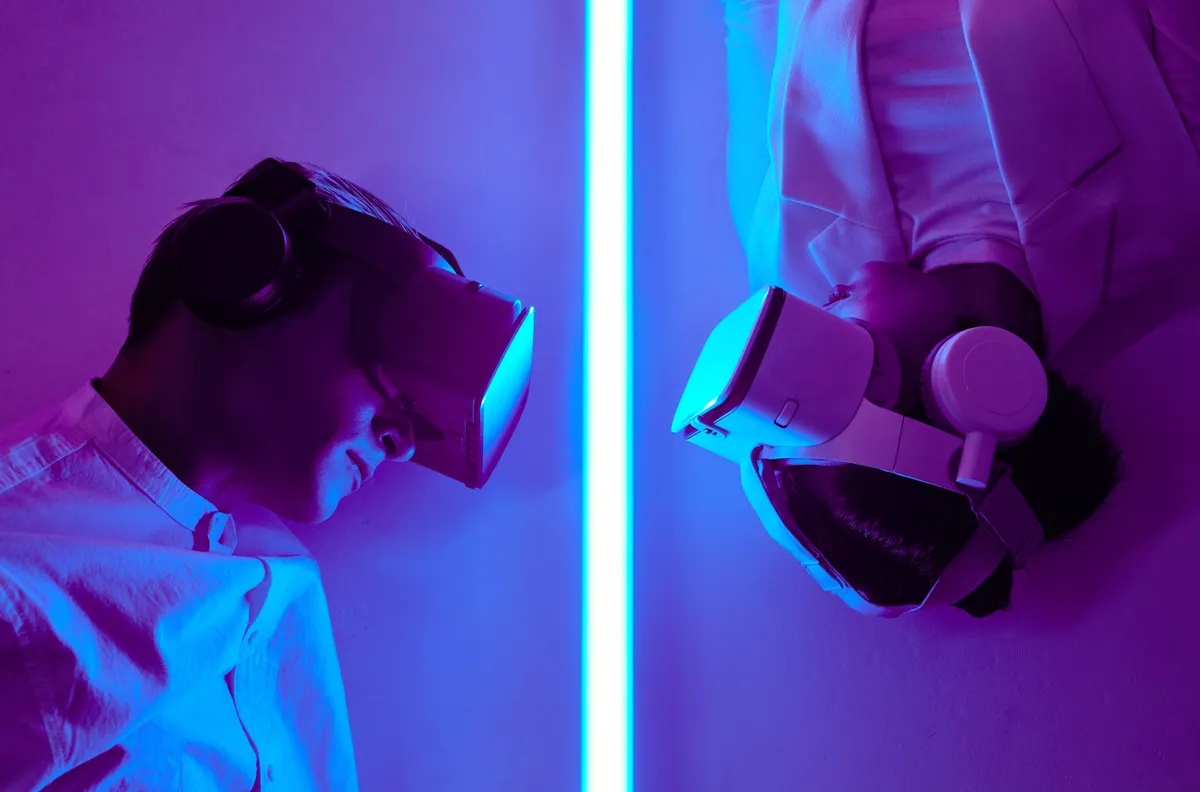

There is a particular pleasure in a show that refuses to let you get comfortable, and Dark Matter season two, arriving on Apple TV+ on 28 August, promises to sustain that unease across ten weekly episodes. The premise, borrowed from Blake Crouch’s novel, is deceptively simple: a physicist, a box that opens onto parallel worlds, and the slow, vertiginous realisation that the most dangerous thing in any universe might be yourself.
Season one established the rules. Physicist Jason Dessen, played by Joel Edgerton, is drugged and kidnapped one unremarkable evening and wakes into an alternate life, a reality in which he chose ambition over love, never married Daniela (Jennifer Connelly), and became a version of himself he barely recognises. The abductor, it turns out, is himself, an alternate Jason who built the box and wants what our Jason has. What followed was nine episodes of escalating paranoia, quantum horror and the kind of marital drama you don’t typically find played out across the space-time continuum.
What Dark Matter Season Two Brings to the Multiverse
Season two opens with Jason and Daniela having clawed back something resembling stability. It does not last. Jason develops what the show frames as an obsessive fascination with the box itself, a fixation that begins to corrode the careful equilibrium the two have built. Daniela, meanwhile, is contending with paranoid thoughts as hostile factions and alternate versions of Jason continue to destabilise the multiverse around her. The domestic and the cosmological are, as ever, uncomfortably intertwined.
Elsewhere, Amanda (Alice Braga) and Ryan (Jimmy Simpson) are attempting to find their way home, a thread that gives the season room to breathe outside the central marriage. Leighton (Dayo Okeniyi) pursues his vision of a perfected world with the kind of single-mindedness that never ends well in science fiction, while Blair (Amanda Brugel) works to stop him. The ensemble is expanding, too: Apple TV Press confirms that Oakes Fegley joins the cast this season, adding another thread to an already dense narrative weave.
The series drops one episode every Friday, with TV Insider noting the finale is set for 30 October. That rhythm, one episode a week rather than the full-season dump, suits the material. Quantum horror benefits from the pause between instalments, the gap in which you turn the logic over and find, each time, another trapdoor.
The Novel, the Showrunner and the Hands the Story Is In
It is worth pausing on the source material, because the adaptation’s fidelity to its author is unusual. Crouch’s novel was published in 2016, a fact Space.com notes in the context of a property that has lost none of its currency in the decade since. Crouch himself serves as series creator, showrunner, executive producer and writer, a degree of authorial control that is genuinely rare and probably explains why the show’s central ideas feel coherent rather than diluted by the usual development-room friction. Jacquelyn Ben-Zekry joins him as co-writer on season two’s episodes.
The actors carry executive producer credits too. Edgerton, a two-time Golden Globe nominee, brings the particular quality required here: the ability to play the same man as both sympathetic and threatening, often in the same scene. Connelly, an Oscar winner, makes Daniela’s psychological deterioration feel grounded rather than operatic. Their combined presence on the producing side suggests a level of investment in the material that goes beyond the contractual.
Other executive producers include Matt Tolmach, Richard Lederer and Jacquelyn Ben-Zekry. The first season remains available to stream for those who need to catch up before the 28 August premiere. With the finale landing on 30 October, the show has timed itself with a certain aptness: ten weeks of paranoia and parallel worlds, concluding on the eve of Halloween.
